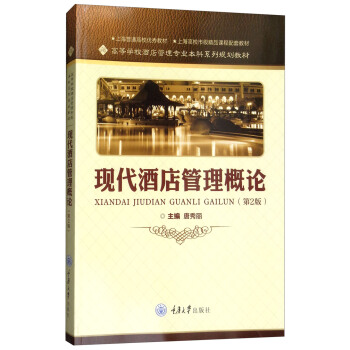
《现代酒店管理概论(第2版)》是读者了解酒店行业的一本人门教材,系统介绍了酒店的含义与特点、酒店管理的理论基础、酒店组织管理、酒店市场营销管理、酒店人力资源管理、酒店前厅部与客房管理、酒店餐饮管理、酒店服务质量管理、酒店企业文化管理、酒店创新管理、酒店安全与危机管理、酒店伦理与职业道德管理等内容。
《现代酒店管理概论(第2版)》内容丰富,融会贯通了现代酒店管理相关理论,理论与实践紧密结合,前瞻性与现实性相统一,深入浅出。
《现代酒店管理概论(第2版)》既可作为高等院校酒店管理专业或相关方向及旅游类专业的教学用书,也可作为与酒店相关的企业职工培训的参考教材。
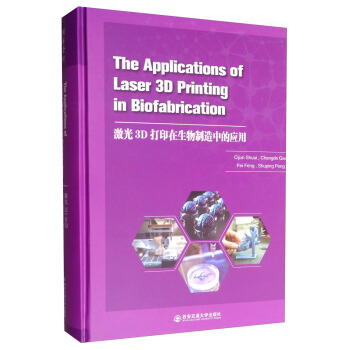
It has long been one dream of mankind to repair or reconstruct the defective tissues/organs by using biomedical implants, which have similar shape, structure and function to the natural tissues/organs. As the world's most populous country, China has entered the aging society since the end of the 20th century, and is expected to supplant Japan as the world's most aging country in 2030. The aged is a highrisk and vulnerable population of serious diseases and accidental injuries because of the decline of physiological function, weak control over environment and the phenomenon of "empty nest". As a result, trssue/organ defects are growing rapidly and there has been an ever-increasing demand for biomedical implants. In order to repair the defective tissues/organs, a biomedical implant should not only mimic the material characteristics and gradient structure of the defective sites, but also have sufficient mechanical properties to support cells and withstand complex stresses inthe physiological environment. Meanwhile, the implant should possess controllable degradation rate and favorable osteoinductivity. These complex structures, harsh performance and individual differences put forward great challenges for the fabrication methods of biomedical implants. So far, biomedical implants are fabricated mainly by forging, casting and machining, which requires not only complex molds but also high cost for single-piece production. More importantly, traditional fabrication methods are difficult to obtain the gradient structure and performance of implants. Therefore, it has become a huge challenge to manufacture personalized biomedical implants for the repair and regeneration of defective tissues/organs.
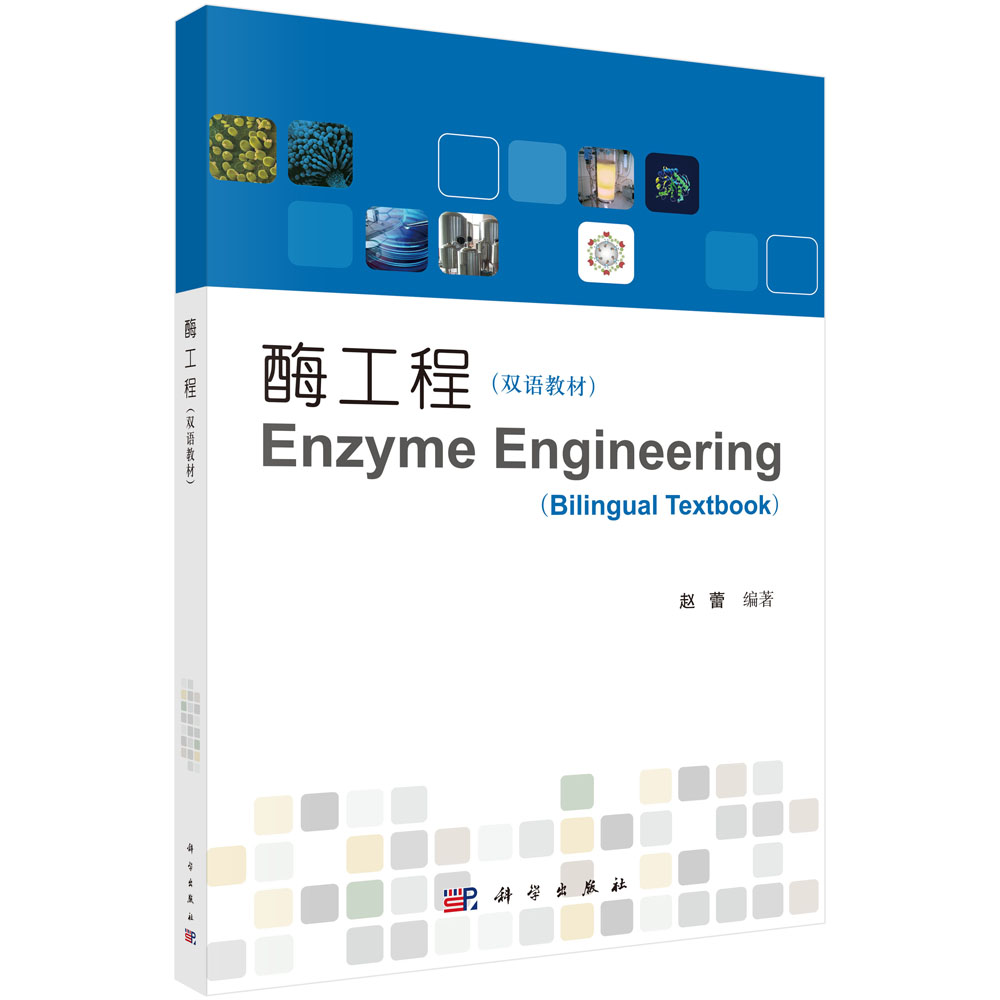
本教材是酶工程双语教学的配套教材,包括酶工程的理论教学与实验教学内容。全书力求简明扼要,采用多种形式将英文图表及专业英语融入其中。理论部分共8章,分别为绪论、酶的生产、酶的分离纯化、酶与细胞的固定化、酶分子的化学修饰、酶反应器、抗体酶与核酶、生物酶工程,各章均设有英文摘要、英文标题和图表、英文总结框图及英文思考题,对主要知识点以英文框(Box)的形式加以强化。实验部分为综合性实验,包括酵母蔗糖酶的纯化、酵母蔗糖酶的纯度测定、酵母蔗糖酶的固定化、固定化酵母蔗糖酶性质的研究、利用固定化酵母蔗糖酶制备果葡糖浆、酵母蔗糖酶活性功能基团的化学修饰,并有相应的英文概要。书后附主要参考文献、本书出现的专业词汇及中文对照。
更多科学出版社服务,请扫码获取。

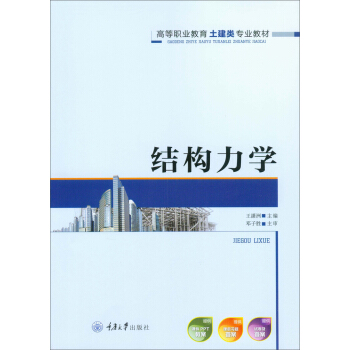
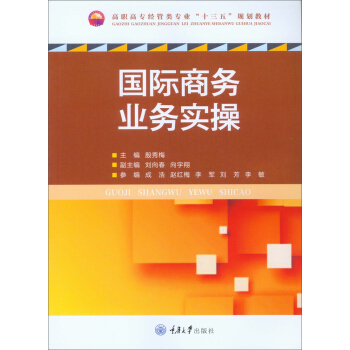
本书从我国高等职业技术教育的现状和发展要求出发,充分体现了高职教育理论的“理论适度,够用,注重实际操作”的特色。全书共分为10章,分别为总论、资金时间价值、筹资管理、项目投资决策、证券投资、流动资产管理、利润分配管理、财务预算、财务控制、财务分析。全书重点突出,内容新颖,理论阐述言简意赅,通俗易懂;布局合理,体现清晰,每章都结合相关案例对重点内容进行讲解,并加入“知识目标”、“能力目标”、“重点难点”、“本章小结”等内容,以培养学生的分析能力和创新能力。在讲解过程中,与实务工作紧密结合,以增强学生理论与实务相结合的能力;同时借助图形、表格等方式进行讲解,便于学生理解掌握。本书可作为高职院校会计专业教材,也可供相关专业人员学习参考。
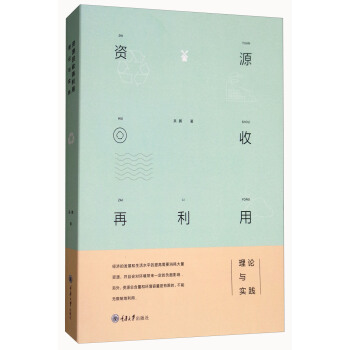
在可持续发展成为社会关注热点的背景下,《资源回收再利用:理论与实践》以资源回收再利用为研究对象,扩展传统的生产运营管理理论,其中,理论研究以回收再制造为重点。对资源回收再利用过程中面临的成本结构复杂、回收数量及质量不确定性强、生产回收销售协调难度大等挑战进行深入的分析,优化企业相关管理决策,分析供应链博弈均衡。得出了一系列具有管理意义的启示,为资源回收再利用行业的发展提供了理论工具和政策参考,同时,在理论研究的基础上,《资源回收再利用:理论与实践》联系实际总结了农村垃圾回收利用以及快递包装回收利用实践过程中的系统性问题,提出了相关政策建议。
热门书籍
微观奇迹:自然启发的微纳科技
生物工程设备
向自然寻答案 神奇的仿生学

生物工程科研设计
造龙
生物信息学(精装版)
生物信息学
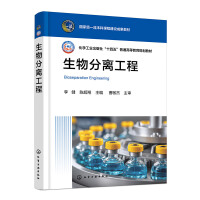
生物分离工程(李健)
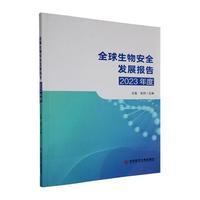
全球生物安全发展报告
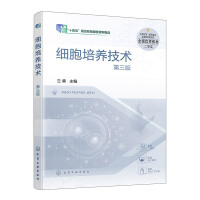
细胞培养技术(兰蓉)(第三版)