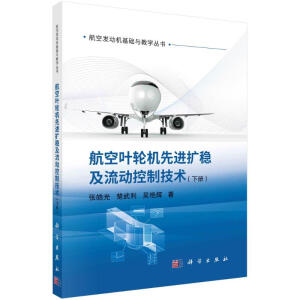
全书分为上、下两册。本书为下册,详细地介绍了在航空叶轮机中应用的多种流动控制技术,涉及轴流压气机组合型机匣处理、端壁造型、涡流发生器及离心压气机机匣处理。书中通过丰富的实例、图表阐述了不同流动控制技术的控制机制,给出了微型涡流发生器的优化设计方法,并发展了适用于压气机的经验式端壁造型设计方法。
更多科学出版社服务,请扫码获取。

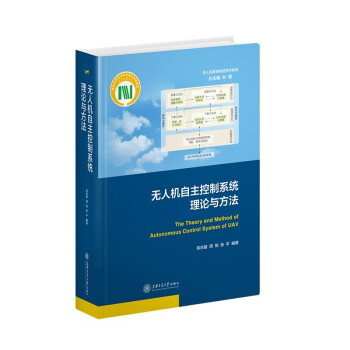
无人机自主控制技术是表征无人机系统特征的重要技术,《无人机自主控制系统理论与方法》的宗旨是助力我国科研人员和青年学者以国际先进水平为起点,开展我国无人机自主控制技术的自主研究、开发和原始创新。
《无人机自主控制系统理论与方法》关注无人机自主控制技术的重要研究内容的理论和方法,内容涵盖:无人机自主控制等级、架构和功能,无人机建模与控制,无人机故障检测、诊断与重构,无人机对环境和态势的自主感知与评估,基于态势感知的无人机自主决策,无人机自主进场着陆导航,无人机航路规划与实时重规划,多无人机协同控制,以及无人机互操作与分布式异步通信协调控制。
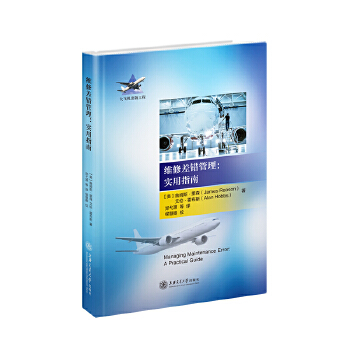
在许多行业中,安全性和可靠性已经通过以前由人类执行任务的自动化得到了提高。但是,维修行为并不是那么容易实现自动化的。有人说维护是导致故障的主要原因。本书的中心论点是,虽然不能完全消除维修差错的风险,但可以更有效地管理它。维修人员需要理解为什么会发生维修差错,以及如何控制出错的风险。本书的大多数案例研究都来自航空业。本书的目标读者是那些管理、监督或执行广泛行业维修活动的人,主要目标是提供一套基本维修差错的管理原则。
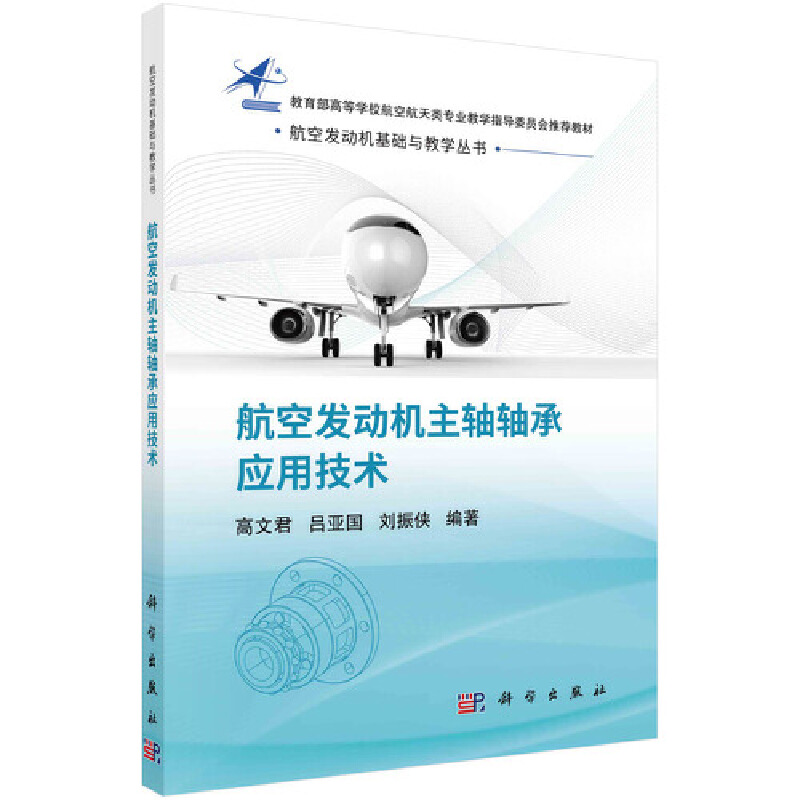
《航空发动机主轴轴承应用技术》较系统、全面地介绍了航空燃气涡轮发动机主轴轴承的基础知识,包括航空发动机转子支承方案、转子支承结构及主轴轴承设计要求、滚动轴承的一般概念、结构特征及运动分析、摩擦效应分析、热分析方法和理论、航空发动机中主轴轴承的润滑冷却、常用材料、失效形式等,对几种典型军用、民用航空发动机的主轴轴承选用方案进行了举例说明。为了方便读者学习,《航空发动机主轴轴承应用技术》提供了思考题。《航空发动机主轴轴承应用技术》按计划学时40学时编写,可根据不同专业要求挑选使用。
更多科学出版社服务,请扫码获取。
飞机是人类历伟大的发明之一,百年演进,日新月异,生机蓬勃,现代飞机是诸多工程科技的集大成者,是工业文明的皇冠,现代军机向着高机动、高隐身、高智能方向发展,现代民机则不断追求着更安全、更经济、更绿色。随着经济的提升,民航事业得以迅猛的发展,越来越多的人选择更为便捷的航空出行方式,而安全是飞行的基本要求,各类冲击问题是飞行安全的重大挑战,近年来发生的系列重大航空事故根源就是鸟撞等冲击问题,部分事故还被改编成了热门电影,如美国的《萨利机长》和我国的《中国机长》等,冲击性的画面引发了人们对冲击动力学问题的好奇,同时也加深了人们的困惑,如什么是冲击动力学?什么是航空工程中的冲击动力学?工程师们为了确保飞行安全都做了哪些工作?本书以航空结构冲击动力学问题为写作对象,基于作者本人和团队的研究成果和工程实践经验,采用通俗的语言,主要内容包括冲击动力学的科学内涵,航空工程中的冲击动力学问题,并对鸟撞、应急着陆等典型问题进行了深入的系列解读。本书正文共六章,约10万字,目的是为读者建立起航空结构冲击动力学的基本概念,为读者理解航空工程中的冲击动力学问题提供帮助。为方便读者阅读和增加趣味性,还结合内容给出了一些实际案例,并针对一些重大的热点航空事件,阐述了事件背后的冲击动力学逻辑。
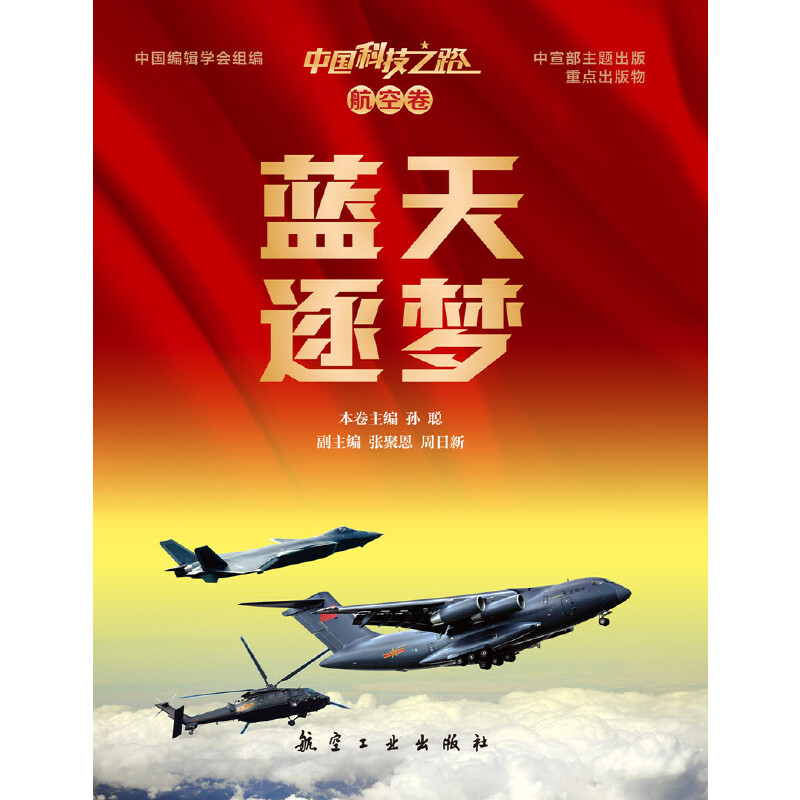
本书简要回顾了中国航空事业早期的探索和发展历程,重点讲述了中华人民共和国成立后我国航空工业经历曲折但在党的坚强领导下攻坚克难、勇攀高峰,在战斗机、运输机、预警机、支线客机、干线客机、无人机、直升机和航空发动机等各个领域所取得的辉煌成就,并对我国未来实现航空强国梦想的美好前景进行了展望。
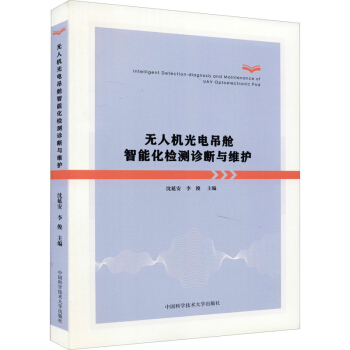
本书系统阐述了无人机光电吊舱状态测试设计、无人机光电吊舱光轴一致性检测标校、无人机光电吊舱激光设备检测设计、无人机光电图像质量测试与评价、无人机光电吊舱故障模式分析与诊断模型、无人机光电吊舱虚拟维修训练资源开发、无人机光电吊舱保障资源规划与配置等智能化检测维护技术和故障诊断方法,为现代无人机光电侦察系统检测维护和相关技术人员提供了良好技术参考。

In Chapter 1 the idea of multi UAVs formation anomaly detection is proposed there, and its relations with system identification, advanced control theory are also introduced. After formulating the problem of multi UAVs formation anomaly detection as one system identification problem, then two special cases are considered about its linear or nonlinear form respectively. From the detailed description on multi UAVs formation anomaly detection problem in previous Chapter 1, other interesting topics exist still, such as the nonlinear dynamic model and control strategy, so in Chapter 2 other two improved identification methods are proposed to improve the identification accuracy. Furthermore, an improved ellipsoid optimization is extended to advanced control theory. In Chapter 3, we want to study the optimal input design for multi UAVs formation anomaly detection. In order to extend the theory on optimal input design, we extend our derived theory in one control strategy-internal model control. In Chapter 4, we change to detect and identify the flutter model parameters for multi UAVs formation. After our detailed formulation, we find that this problem corresponds to one parameter identification problem too. The ground target positioning and tracking algorithm for cooperative detection of multi UAVs formation is studied in Chapter 5, where the problem of target tracking or state estimation is reduced to build ellipsoidal approximation of the considered state, whose inner and outer ellipsoidal approximations are derived through two semidefinite programs. Due to some optimization problems exist in above chapters, and as the best of our knowledge that the optimization problem is one important step in the advanced model predictive control strategy, so the mission of the Chapter 6 is to consider the same optimization problem in this model predictive control strategy. It means that system identification is combined with the model predictive control, and the interval predictor estimation is applied into robust model predictive control in case of the unmodeled noise or disturbance. Concluding remarks are provided at the end of each chapter, and In Chapter 7 we then provide a brief summary of the results presented in this monograph and an outlook to possible directions for future research on these topics.