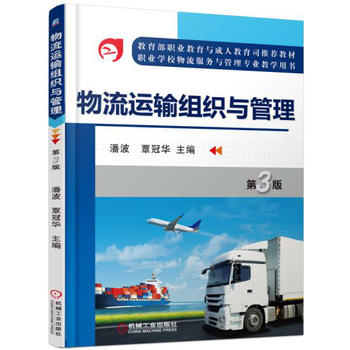
本书是职业学校物流服务与管理专业的核心课程教材。主要内容包括物流运输认知、公路货物运输认知、铁路货物运输认知、水路货物运输认知、航空货物运输认知、联合运输认知、货物运输合同认知、运输规划认知。本书可作为职业学校物流类专业的教学用书,也可供从事职业培训、物流企业管理的人员参考。
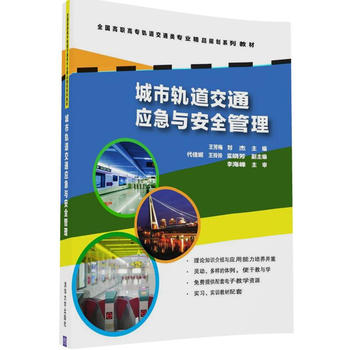
本书结合城市轨道交通运营管理岗位的实际工作流程,从控制中心、车站、乘务三个层面的协调运作出发,以岗位需求为导向编写而成。全书包括五个项目: 伤亡类突发事件应急及安全管理、恐怖袭击类突发事件应急及安全管理、火灾类突发事件应急及安全管理、自然灾害类突发事件应急及安全管理、客运组织类突发事件应急及安全管理。每个项目根据这一类事件的不同情境分为若干个任务,每个任务又由知识准备和实训操作两部分构成,有的实训操作还给出了相应的实训演练示例。本书*的特点是注重学生的实操能力,既可作为高职高专院校城市轨道交通运营管理专业的教材,也可作为城市轨道交通运营企业员工的培训资料。
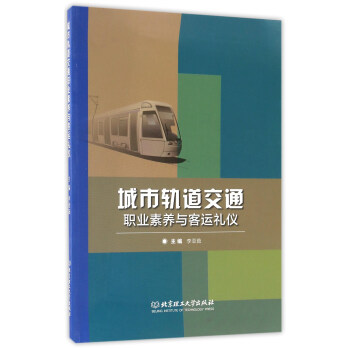
《城市轨道交通职业素养与客运礼仪》遵循“强化素养、规范行为、理论够用、强化技能”的基本原则,从高等教育的现状和发展要求出发,结合编者一线教育工作的实际经验和一线领导工作的实践总结,密切联系大学生职业素养的实际情况和轨道行业员工素养的实际需求编写。
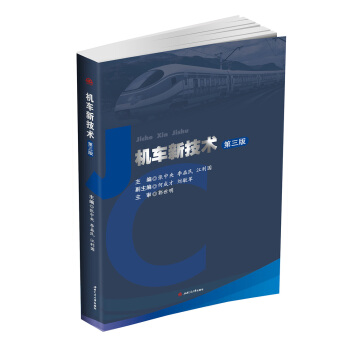
本书主要内容包括:①我国铁路牵引动力的发展及新型机车与动车组简介;②介绍了高速铁路及重载运输的关键技术及对机车牵引性能的要求;③机车走行技术的最新发展,高速客运机车、动车组走行部的结构特点、机车径向转向架的基本结构等;④介绍了轨道交通牵引传动与控制技术、机车交流传动技术的最新发展情况和应用;⑤机车柴油机的优化技术;⑥车载微机控制系统的基本组成、功能与故障应急处理;⑦机车故障与机车维修制度的新理论、新方法;⑧行车安全理论,LKJ-2000型监控装置的组成、特点及应用。
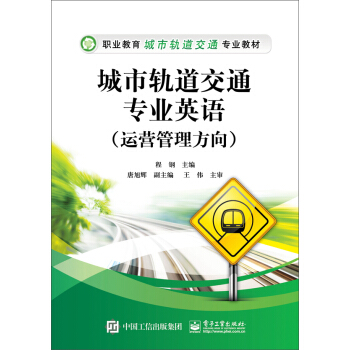
本书共有8章,37节内容,立足于轨道交通企业运营管理岗位的实际工作,主要讲授城市轨道交通客运服务日常场景对话、运营管理专业岗位职责与工作标准描述,行车组织、调车作业、施工检修等方面的基本工作内容与标准。

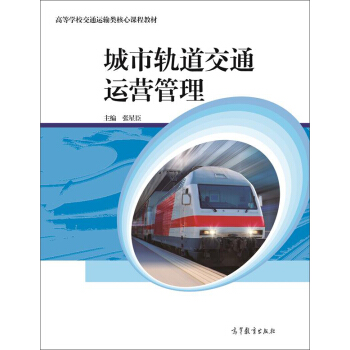
城市轨道交通系统作为城市发展的重要基础设施,其运营与管理工作与城市的正常运行、市民的日常生活以及区域经济社会的稳定发展都息息相关。本教材以北京交通大学“城市轨道交通运营管理”课程方向的多年教学科研为基础,充分考虑了我国快速发展城市轨道交通行业实际而编写的。
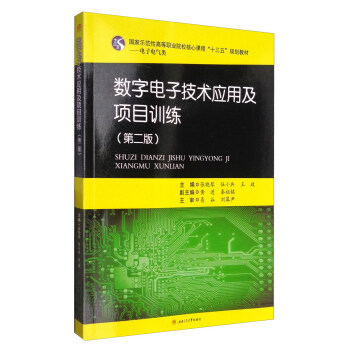
《数字电子技术应用及项目训练(第2版)/国家示范性高等职业院校核心课程“十三五”规划教材·电子电气类》内容按3个学习项目编写。全书以常用电子小产品为载体,介绍了数字电子技术中常用数字集成芯片及应用电路的分析与制作。学习项目1为火灾报警信号控制电路的设计与制作,主要介绍数字逻辑基础知识、集成门电路的应用;学习项目2为数字定时抢答器的分析与制作,主要介绍中规模集成电路——编码器、译码器、显示器、触发器、555定时器、计数器、寄存器等器件及其应用;学习项目3为数字显示温度控制器的分析与制作,主要介绍集成D/A转换器、A/D转换器、存储器等器件及其应用,并将模拟电子线路和数字电子线路结合起来综合运用。
《数字电子技术应用及项目训练(第2版)/国家示范性高等职业院校核心课程“十三五”规划教材·电子电气类》可作为高等职业院校电子、电气、通信、计算机控制、机电一体化等专业的教材,也可供其他专业如机械、汽车、计算机等专业的师生及有关工程技术人员参考,也可作为中等职业学校有关专业的提高教材,还可作为自学考试或电子技术人员的学习用书。
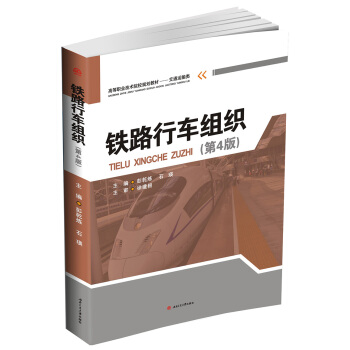
《铁路行车组织(第4版)/高等职业技术院校规划教材·交通运输类》是根据高职高专类学校铁路运输专业教学计划和教学大纲编写的。学生通过学习车站工作组织、货物列车编组计划、列车运行图及铁路通过能力、技术计划及运输方案、运输调度工作等内容,具备组织行车和正确执行、运用行车规章从事铁路各行车工种工作的能力。
《铁路行车组织(第4版)/高等职业技术院校规划教材·交通运输类》可作为高职高专类学校、高等学校专科、成人大专的教材,可供铁路运输工作人员参考。
This Code is formulated with a view to standardizing the technical requirements for the designof traction power supply system
This Code is applicable to the design of single-phase power frequency traction power supply system with the nominal voltage of overhead contact line being 25 kV for the railway with standard gauge.
The design term for the traction power supply system of railway includes short term and long term The short term refers to the lOffi year after delivery and the long term refers to 20~ year after delivery.
Traction power supply system shall be of Level I load. There shall be two power supply sources in traction substation,of which when one fails,the other is still able to maintain the normal power supply.
Traction power supply system shall provide reliable power for the electric locomotive. When there is no power source in local area,it can also provide power to other consumptions of railway or local consumers when technically and economically reasonable.
The selected equipment in design shall meet the requirements of electric traction When new technology,technique,material and equipment are used,relevant national and professional provisions shall be followed
Reasonable design scheme shall be adopted and material and equipment shall be reasonably selected for the traction power supply system in subfrigid zone and frigid zone.
The provisions in current national laws and regulations on the environmental protection and energy efficiency shall be implemented when doing the design of traction power supply system.
All kinds of buildings and structures for the traction power supply system shall meet the requirements for structure gauge within electric traction section.
Besides this Code,the design of electric traction power supply system and its buildings and structures shall also comply with the regulations specified in the relevant current national standards.
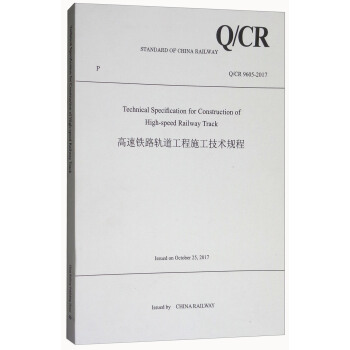
This Specification was prepared based on Document TJS [2010] No. 241-TechnicaI Guide for Construction of High-speed Railway Track as per the requirements for establishing the engineering and construction standard system of CHINA RAILWAY,by summarizing the practical experience in high-speed railway projects that had been put into operation in earlier stage and the experience with CRTSIII slab track for Zhengzhou-Xuzhou High-speed Railway,Panjin-Yingkou High-speed Railway and Shenyang-Dandong High-speed Railway,absorbing the research results on CRTsrri slab track and extensively soliciting the opinions from different parties involved in construction and operationThis Specification comprises 20 chapters, namely General Provisions, Terms, Basic Requirements, Construction Preparations, Setting-out of Construction Control Network,Construction of Ballastless Track Bed for CRTS I Slab Track,Construction of Ballastless Track Bed for CRTS II Slab Track, Construction of Ballastless Track Bed for CRTs rri Slab Track,Construction of Ballastless Track Bed for CRTS Bi-block Ballastless Track, Construction of Sleeper-embedded Ballastless Track in Turnout Area, Laying of Slab Track in Turnout Area,Ballast Installation, Turnout Laying on Ballasted Track, Laying of Rail Expansion Joint,Construction of Transition Section,Laying of Sealing Layers between fracks and on Both Sides,Laying of Continuously Welded Rail (CWR) Track,Fine Adjustment of Track,Pre-grinding of RaiI,Setting.of Signs and Markers,and one appendix.
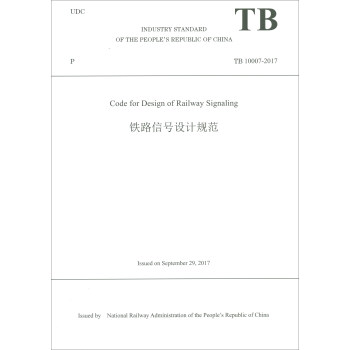
The translation of this Code was made according to Railway Engineering and Construction Standard Development Plan of the Year 2016 (Document GTKFH [2016] No.29) issued by National Railway Adnunistration for the purpose of promoting railway technological exchange and cooperation between China and the rest of the world.
This Code is the official English language version of TB 10007-2017. In case of discrepancies between the original Chinese version and the English translation,the Chinese version shall prevail.
Planning and Standard Research Institute National Railway Administration is in charge of the management of the English translation of railway industry standard,and China Railway Economic and Planning Research Institute performed the translation Beijing Times Grand Languages International Translation and Interpretation Co., Ltd.and China Railway Design Corporation provided great support during translation and review of this English version.
Your comments are invited and should be addressed to China Railway Economic and Planning Research Institute, 29B, Beifengwo Road9 Haidian District, Beijing, 100038 and Planning and
Standard Research Institute National Railway Administration,Building B,No. 1 Guanglian Road, Xicheng District,Beijing,100055.
The translation was performed by Wu Xinyan,Liu Xun9 Yan Hongwei, Ym Fukang,Zhang Lixin, Dong Xuewu,Wang Xueyuan,Zhang Qilong,Liang Chao.
The translation was reviewed by Wang Haizhong,Wang Lei,Feng Mei911 Hongxia,Jiang Ming, Liu Yang 9 Xia Wei.